7 Best Fabrics for Sewing Teddy Bears and Plushies
Making plushies is fun and rewarding, but picking the right fabric can make all the difference in how your finished toy looks and feels. The fabric you choose affects how soft your plushie is, how easy it is to sew, and how long it will last.
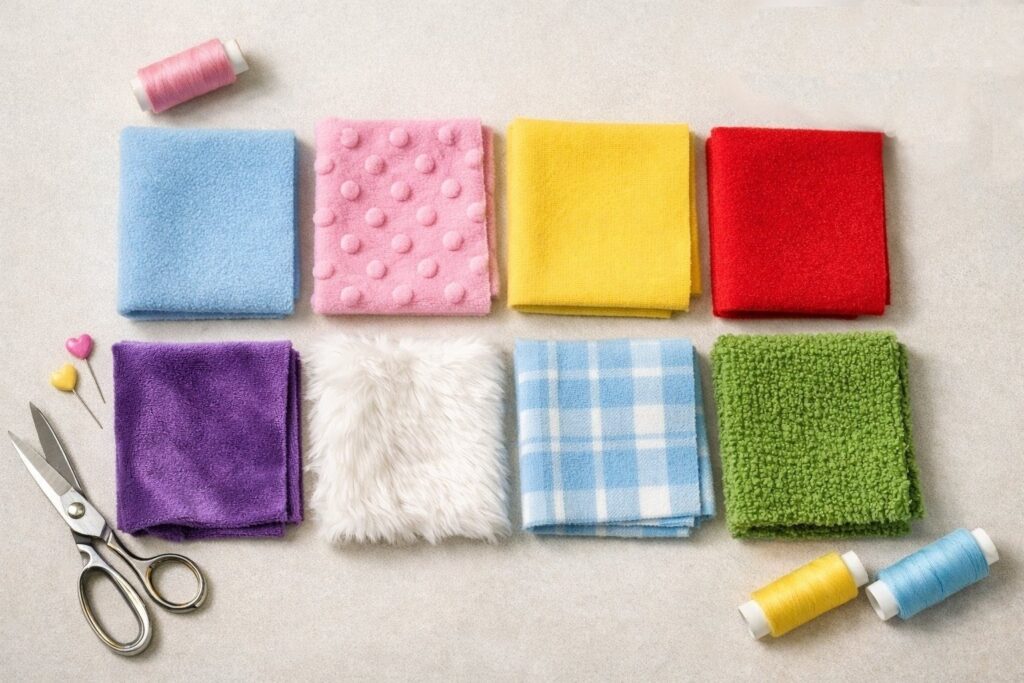
The best fabrics for plushies are soft and durable. Popular choices include minky, fleece, cotton, and faux fur. Each fabric type has its own benefits and challenges. Some are perfect for cuddly toys that kids will love, while others are better for display pieces or special projects.
This guide walks you through eight top fabric choices for making plushies. You’ll learn about the qualities that make each fabric special and get tips for working with plush materials so your stuffed animal sewing project turns out great.
Disclosure: This post contains affiliate links. If you purchase after clicking these links, Threadistry may receive a small commission, at no cost to you.
1. Minky Fabric
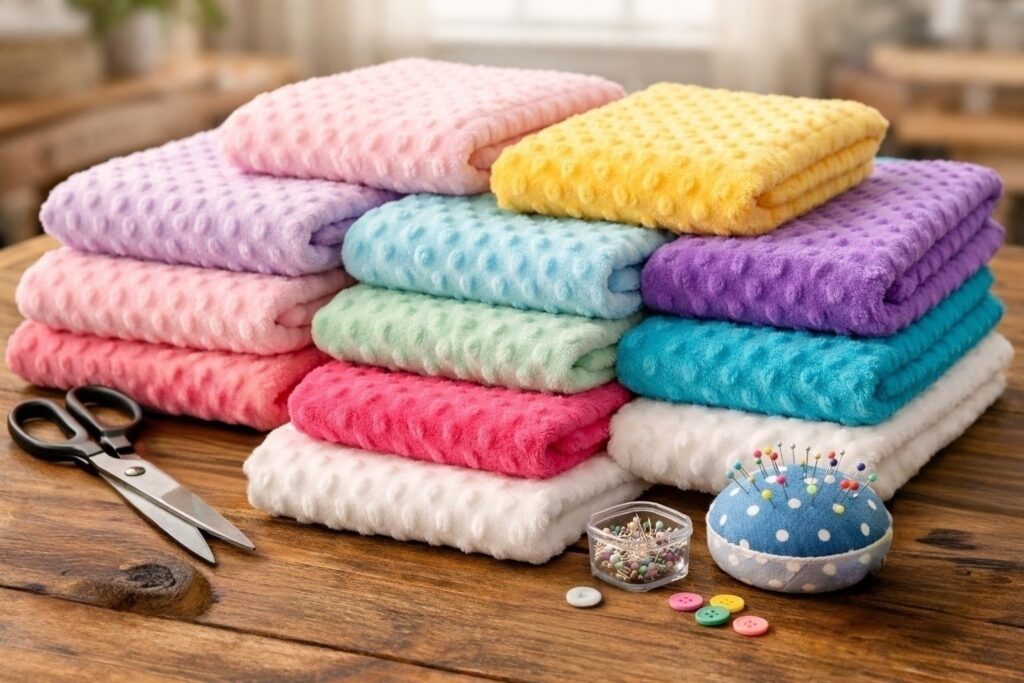
Minky is one of the most popular choices for making plushies. It feels incredibly soft and cuddly, which makes it perfect for stuffed animals that people want to hug (or rub up against their cheek, or is that just me?).
Minky has a plush pile on the right side and a stable knit on the back. This makes it easier to work with than you might expect. The fabric comes in different pile heights, so you can choose shorter pile for detailed work or longer pile for extra fluffy projects.
Minky can be slippery, so use lots of pins or clips to hold your pattern pieces in place. The fabric is also quite stretchy, so take your time when cutting and sewing. And it sheds like crazy, so be prepared for a fluffy snowstorm!
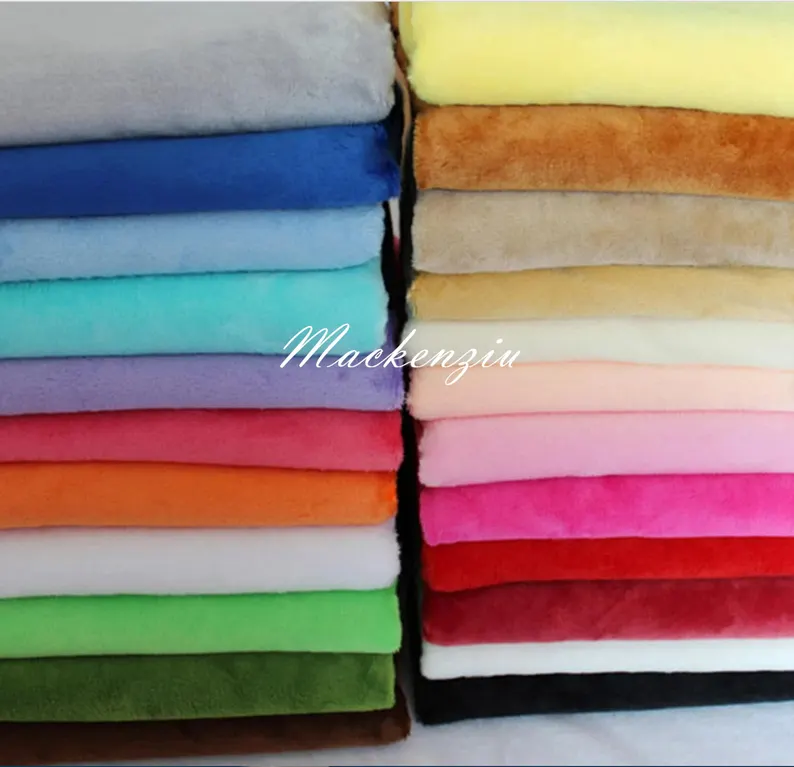
Minky is durable and holds up well to washing. This makes it a smart choice if you’re making plushies for kids who will love and play with them often. It also comes in tons of colors, patterns and textures (like minky dots), giving you plenty of creative options for your cuddly DIY toys.
Cuddle® is a brand of minky fabric from Shannon Fabrics, and is a high quality option that comes in a large range of colors, and options including embossed and sparkle fabrics.
2. Fleece
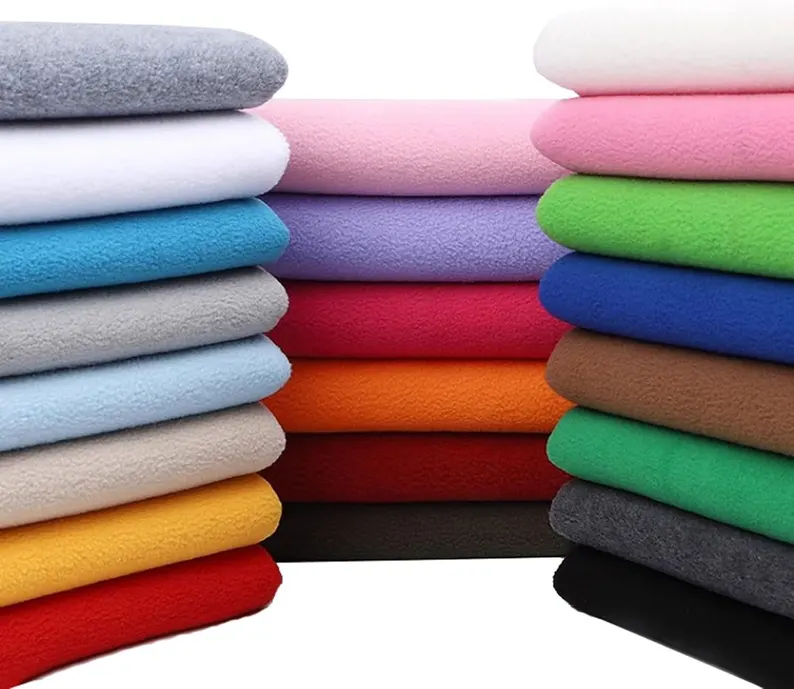
Fleece is another popular fabrics for stuffed animals. It’s soft, stretchy, and easy to work with, which makes it perfect if you’re just starting out.
It’s is more affordable than other plush fabrics, but still cuddly. It’s also easier to find in fabric and craft stores in a range of colors, and doesn’t shed and slip around as much as minky.
One thing to keep in mind is that fleece isn’t as luxuriously soft as minky or faux fur. But it strikes a nice balance between comfort and function. You can find anti-pill fleece that will keep your plushies looking new even after many washes.
It can also have a lot of stretch, so take care not to overstuff and distort the shape of your handmade stuffed animal.
3. Quilting Cotton
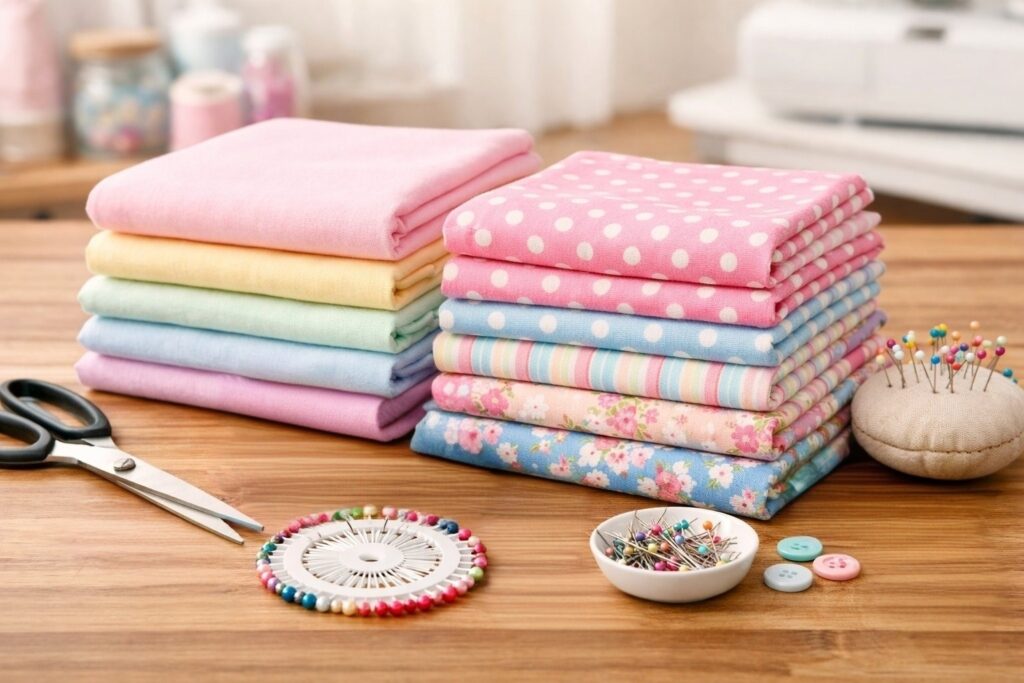
For a different style of plushie, quilting cotton is a great option. Cotton comes in an almost infinite number of colors and patterns, so you’re sure to find something for your project.
Cotton is easy to sew if you’re a beginner. It’s stable, doesn’t stretch and won’t slip around as sew. This natural fiber holds up well to regular use and washing, which makes it great for toys that kids will play with often.
But cotton isn’t soft, plush and cuddly. It has a firmer feel that works better for decorative toys, toys designed for more active play or structured designs.
4. Faux Fur
Faux fur gives your plushies a realistic, fluffy look that’s perfect for creating stuffed animals with thick coats. It comes in different lengths and densities, so you can match the style to your project.
This fabric works great when you want a soft, natural appearance. It’s especially good for making bears, rabbits, or other realistic animals. The texture adds character and makes your plushies stand out.
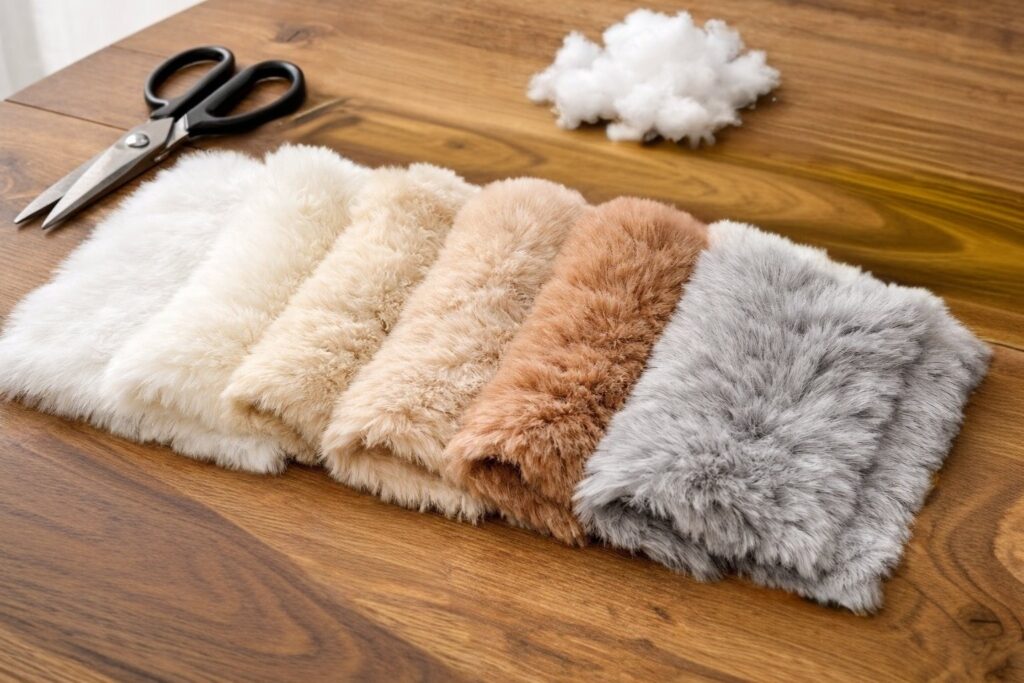
Faux fur can be trickier to sew than other plushie fabrics. The pile direction matters, and you’ll need to pay attention while cutting and sewing so that the fur doesn’t get caught in the seams. This fabric also sheds, so be ready to clean up stray fluff.
Cleaning faux fur requires some care. It should be hand-washed or spot cleaned, rather than tossing it in the washing machine. This makes it better for display plushies or collectibles instead of toys that kids will play with every day.
Despite these challenges, faux fur creates beautiful results when you want that extra fluffy, realistic touch for your handmade stuffed animals.
5. Chenille
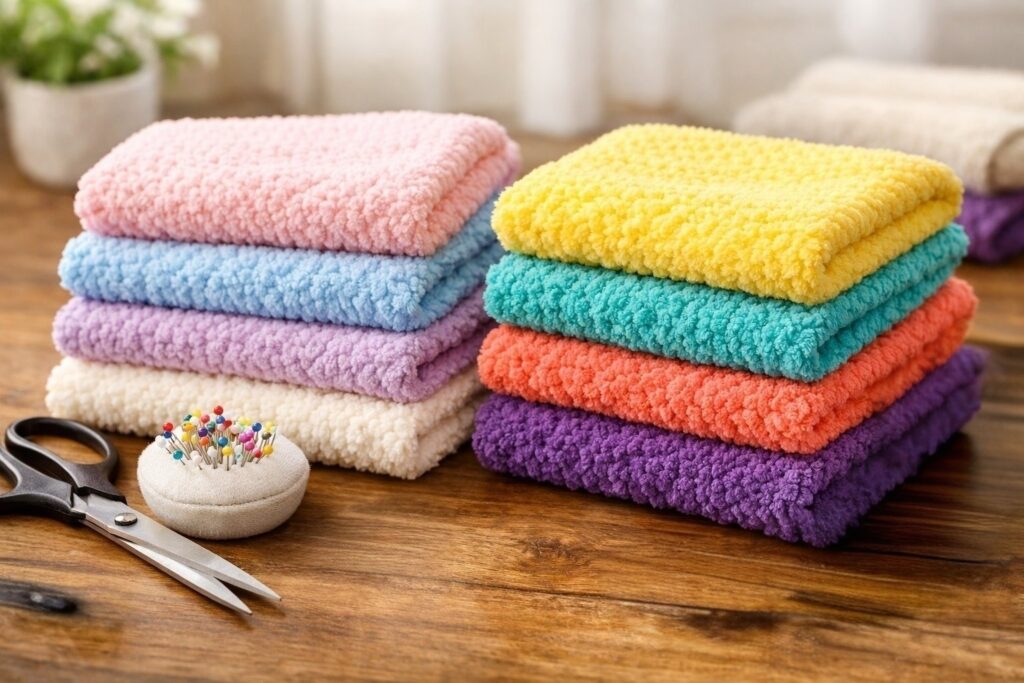
Chenille fabric gives your plushies a unique fuzzy texture that feels amazing to touch. The name comes from the French word for caterpillar, which makes sense when you feel its soft, bumpy surface. This fabric has short yarn pieces twisted between core yarns to create its special look and feel.
Chenille is fairly easy to sew if you take your time. It’s durable enough for plushies that will get lots of hugs and play time.
This fabric works well for both decorative plushies and cuddle toys. You can find chenille in many colors and patterns at fabric stores. Just remember that the fuzzy texture means you’ll need to pay attention to the direction of the pile when cutting your pieces.
6. Sherpa
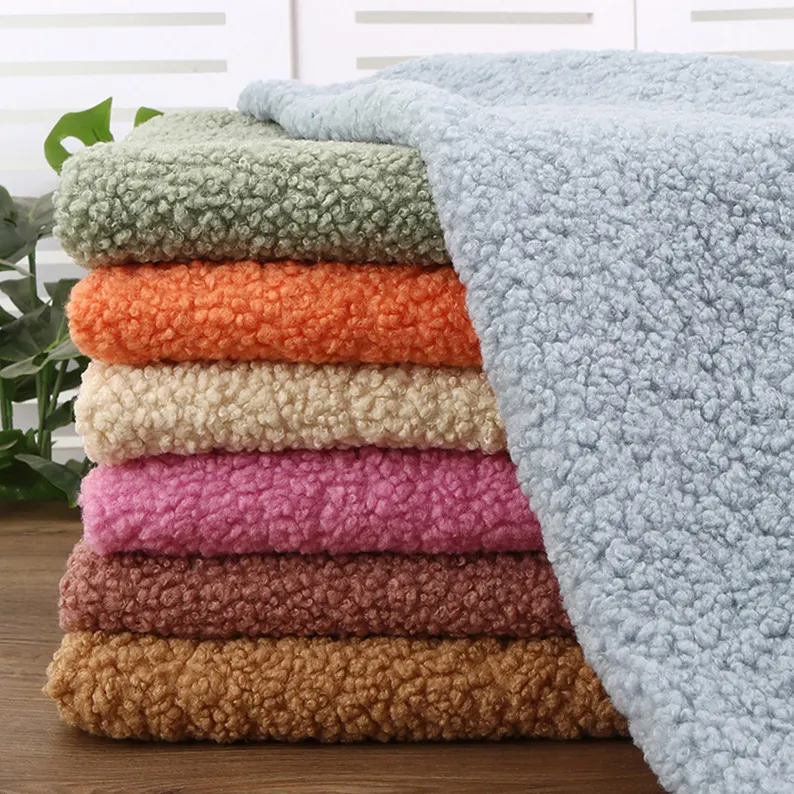
Sherpa fabric is another option for a cozy, fluffy texture for your plushie sewing projects. This fabric features a thick pile on one side that looks and feels like sheep’s wool. It works great when you want to create a warm, cuddly toy.
When you sew with sherpa, keep in mind that it’s bulkier than other plushie fabrics. You might need to adjust your seam allowances and use a longer stitch length. The fabric can also be a bit slippery, so pinning carefully helps keep your pieces in place.
Sherpa is durable and holds up well to hugging and play. It’s a good choice for plushies that will get lots of use. The fabric comes in various colors, though white and cream are the most common options you’ll see.
7. Felt
Felt is a versatile and beginner-friendly fabric option for making plushies, especially when you want a more structured or detailed look.
Felt has a firm, slightly fuzzy texture and comes in a wide variety of colors. It’s not as cuddly as minky, sherpa, chenille or faux fur, but it is more huggable than quilting cotton. Wool felt is generally softer than synthetic felt.
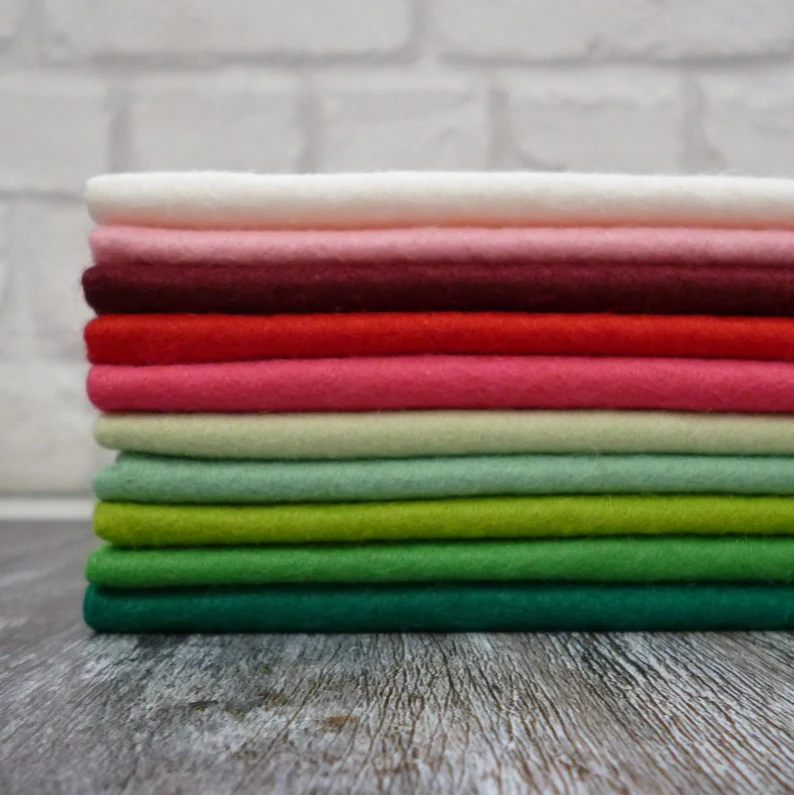
It’s easy to cut and sew, and you don’t need to worry about the edges as felt doesn’t fray. This makes it a great choice for small details like eyes, noses, or decorative patches, and for hand-sewn plushies.
Felt is excellent for craft-style plushies, educational toys, or characters with bold shapes and colors. It’s an affordable fabric that’s easy to find at most craft stores.
Essential Qualities to Look For in Plushie Fabrics
The right fabric makes the difference between a plushie that gets thrown in the toy box and one that becomes a cherished companion for years. When selecting materials for your project, you need to balance cuddliness, longevity, and washability to create something truly special.
Softness and Texture
The feel of your fabric matters more than almost anything else when making plushies. You want a material that feels pleasant against skin and invites cuddling.
Different fabrics offer distinct textures. Minky provides a silky smooth surface with a gentle pile. Fleece gives you a slightly fuzzy feeling that’s warm and cozy. Cotton offers a natural, cool texture that many people find comforting.
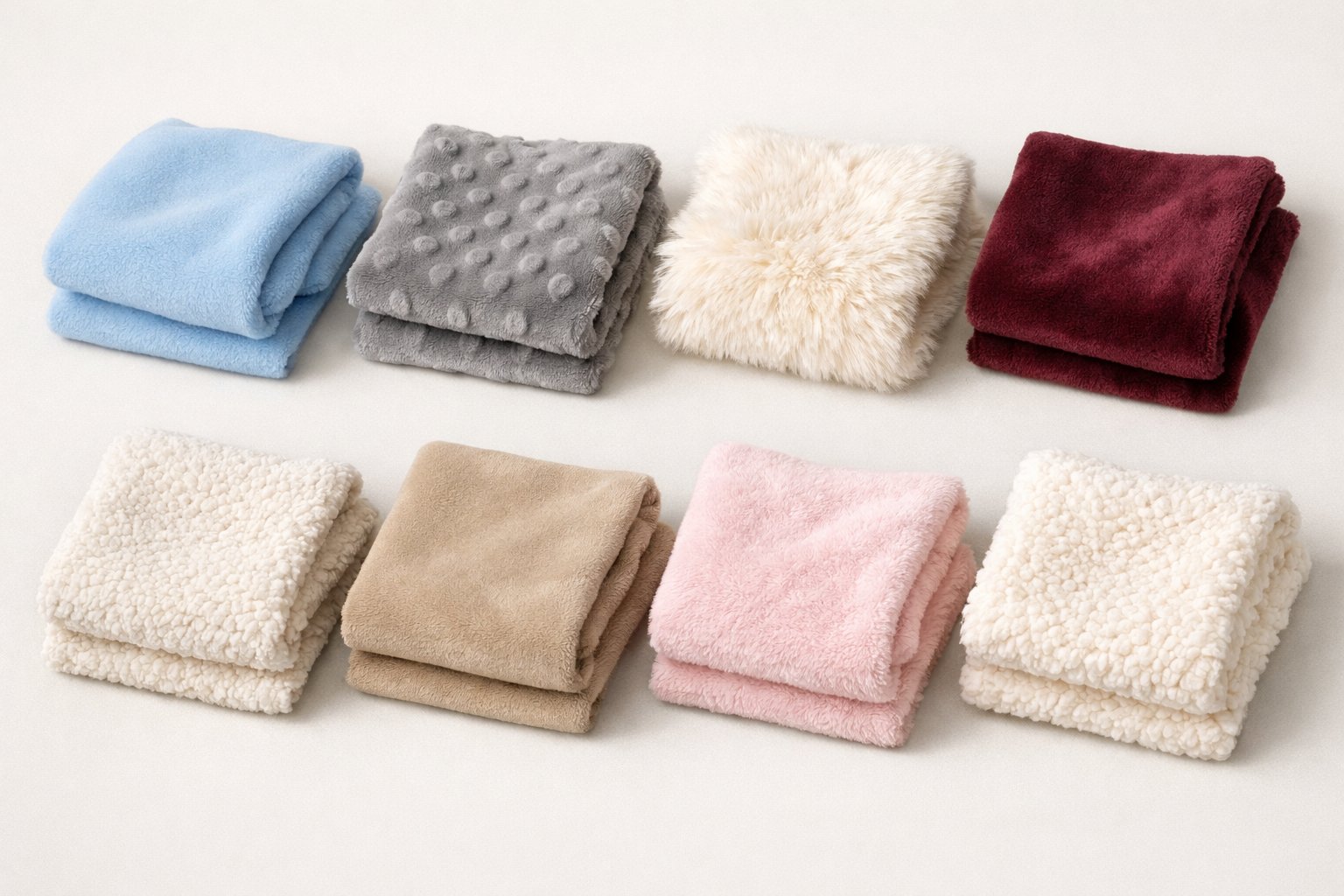
Think about who will use your plushie. Babies need the softest possible fabrics with minimal texture variations or the firmness of cotton, if it ends up in their mouth. Toys for older children, adults or made for display only can enjoy fabrics with more interesting textures like longer pile lengths or varied textures.
The pile height affects how your plushie feels. Short pile fabrics (around 3mm) work well for detailed designs and feel smooth. Medium pile (5-8mm) gives you that classic plush toy softness. Long pile (10mm or more) creates an extra fluffy, luxurious feel.
Durability and Maintenance
If you’re plushie is designed for kid’s play, your plushie needs to withstand regular handling and washing. Strong fabrics prevent tears and maintain their shape through years of use.
Washing matters a lot for plushies. You want fabrics that keep their color and don’t shrink. Test your fabric before starting a big project by washing a small piece. Note any color bleeding, shrinkage, or texture changes.
Some fabrics pill after washing, creating little balls of fiber on the surface. Quality minky and fleece resist pilling better than cheaper versions.
Safety Considerations
Safe fabrics protect the people who use your plushies. This is especially important when making toys for babies and young children.
Choose fabrics that don’t fray easily. Loose threads can become choking hazards or can wrap around little fingers and toes. Avoid fabrics with long fibers that shed easily. These loose fibers can irritate eyes and airways. Your fabric should stay intact even with rough play.
Check that your fabrics meet safety standards if you plan to sell plushies or give them to young children.
Now you know which fabric for plushies you want to use, check out these adorable plushie sewing patterns: